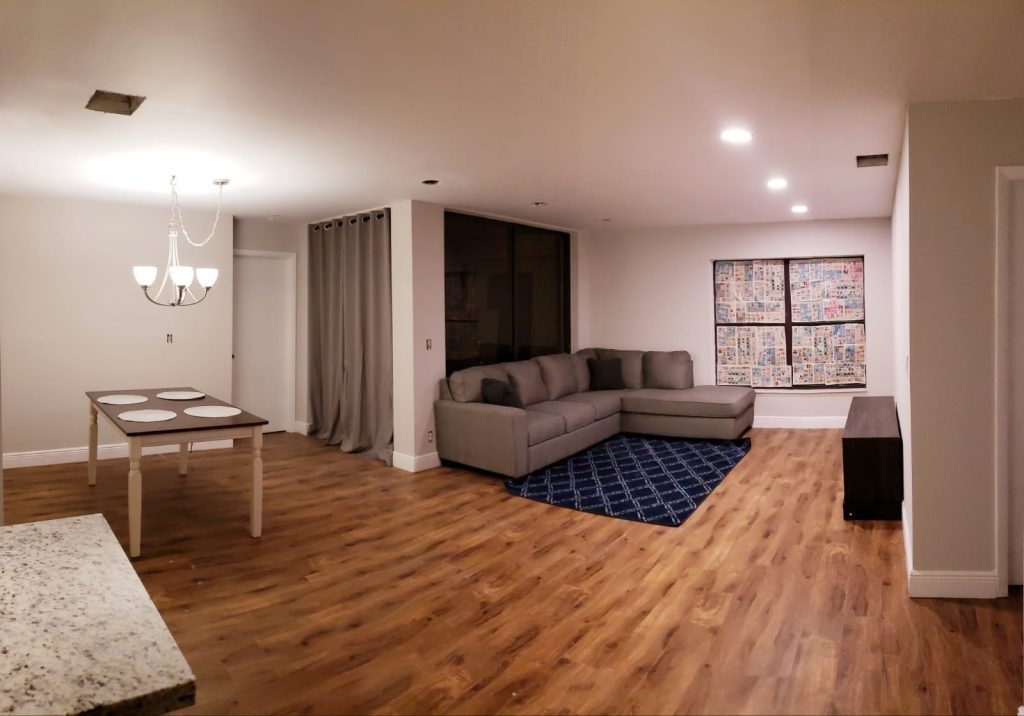
You could see it the second the light hit the floor. This wasn’t a floor that looked a little off. It was a living room cut into patches — one section one shade, the next section another, the next one different again — like somebody had laid three different floors and hoped nobody would notice.
Somebody had. The homeowner noticed every single day.
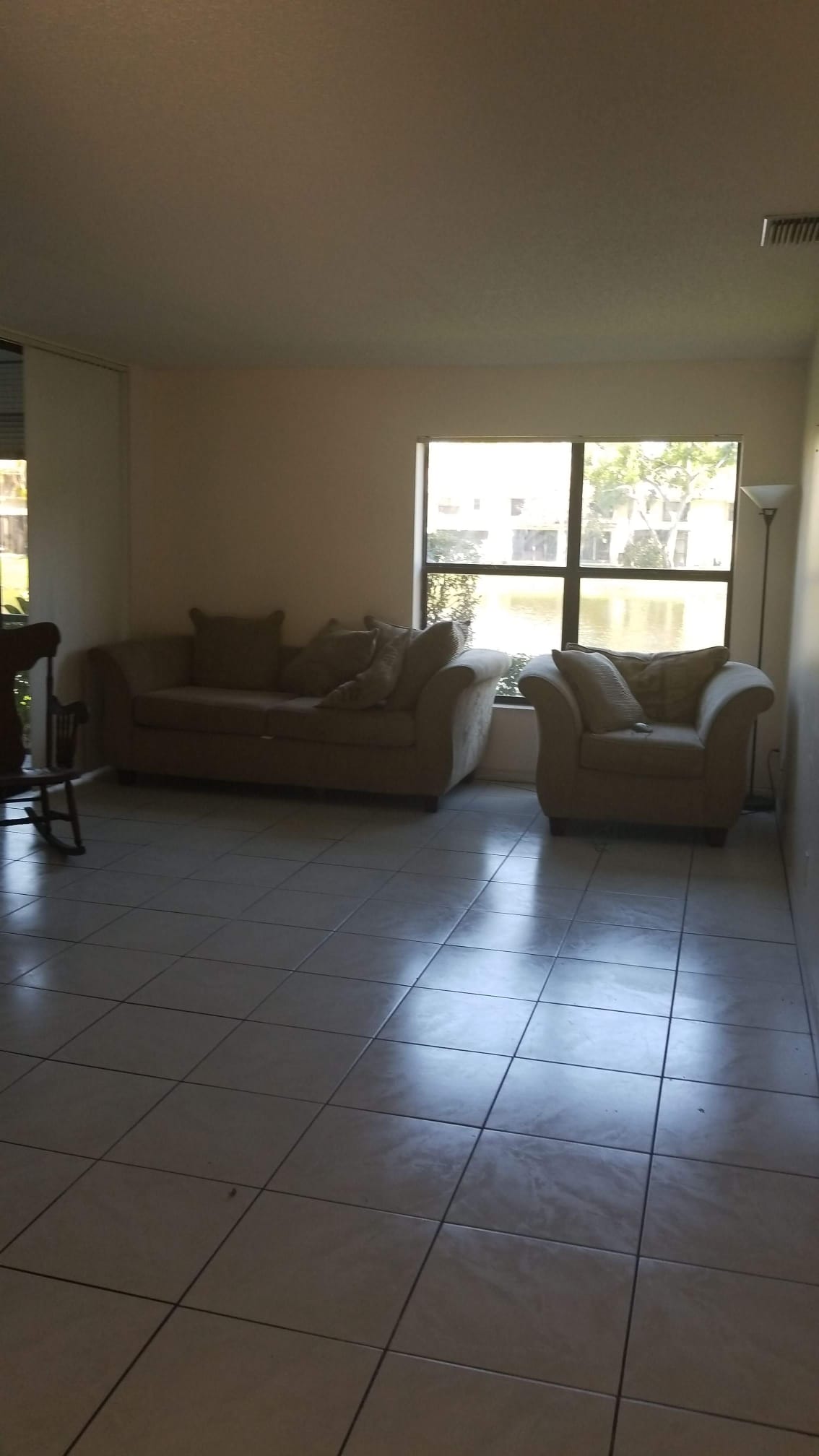
The call: an expensive floor, ruined in plain sight
The tile itself was expensive. That was the cruel part. This homeowner hadn’t bought cheap material and gotten a cheap result. They had paid for good tile, hired a contractor to lay it, and ended up with a living room they couldn’t stand to look at.
And a living room isn’t a room you can close the door on. It’s the first room people see, where the whole house makes its first impression. A patchwork floor in there doesn’t hide — it announces itself in every light, all day long.
By the time they called me, the frustration wasn’t really about tile. It was about paying good money, doing everything right, and still ending up embarrassed by the biggest room in the house.
What the last guy did wrong: three dye lots, one floor
Here’s the part most homeowners don’t know, and the part a real flooring contractor is supposed to protect you from: tile is made in batches. Run the same tile, in the same factory, in a different production run — a different dye lot — and the shade can shift. Sometimes a little. Sometimes enough that two tiles sitting side by side look like cousins instead of twins.
That’s why the rule is simple: check the lot numbers on the boxes, order enough of one batch to cover the floor, the cuts, and a few spares, and never mix lots across one open room. If a box doesn’t match, it doesn’t go down. Period.
The previous contractor either didn’t check, didn’t care, or ran short mid-job and grabbed whatever he could get. The result was three dye lots across one floor. Once tile is set, that mistake is locked in — no cleaning or grout color fixes it. The shade is in the tile itself, and the only honest fix is taking the wrong sections back up.
That’s the standard we hold on our flooring work: the material gets checked before it goes down, not explained away after it doesn’t match.
The diagnosis: save what matches, replace what doesn’t
I didn’t walk in and tell this homeowner the whole floor had to go. That would have been the easy sale, and it wouldn’t have been honest. Part of that floor was right — one consistent batch, laid in the sections where the shade held together. The disaster was in the sections where the other lots had crept in.
So the diagnosis was surgical: identify which sections matched, which were the wrong lots, and replace only the bad sections — with the exact correct batch. Everything depended on that sourcing. Put a fourth, almost-right shade in those holes and you’ve just built a new patchwork.
On cost, I’ll tell you what I told them: most homeowners finance part of a flooring project — small jobs from $120/month, typical projects in the low $200s–$300s/month, with approved credit, at rates as low as 4.49% APR with approved credit through our financing partner. The exact figure comes from the free in-home measurement, in writing.*
The fix: the exact batch, ripped out and blended
We sourced the exact correct batch, then did the part nobody enjoys: we ripped the bad sections up. Carefully. Taking set tile out without wrecking the good tile around it is slow, patient work — one careless tear-out and the sections you were saving start chipping at the edges.
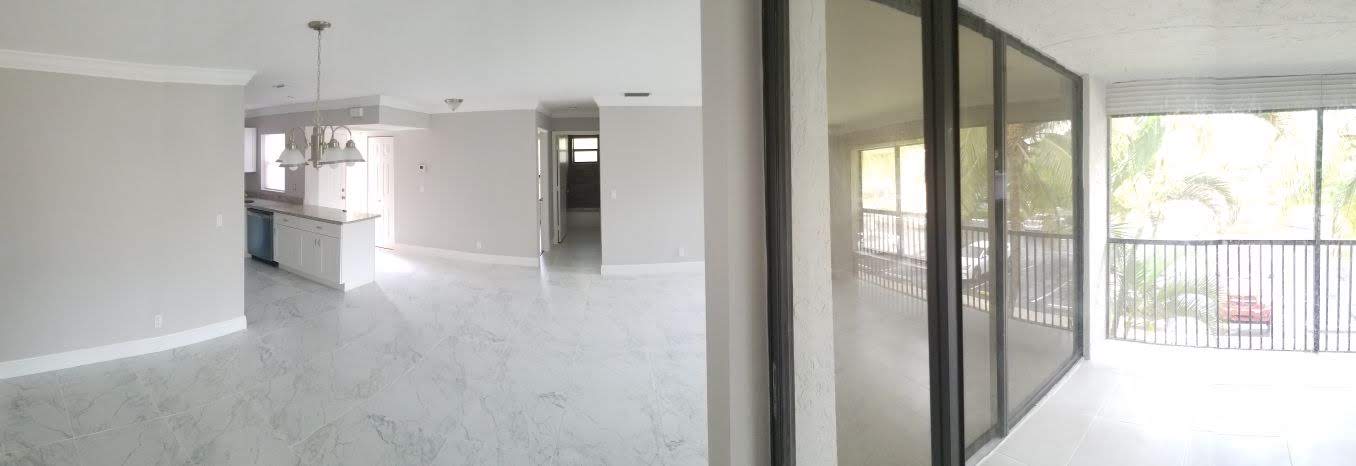
Then the new tile went down, blended so the floor reads as one floor again — one shade, one room, the way it should have looked the day the first contractor packed up. Grout, transitions, the whole surface checked in the living room’s own daylight — the light that had been exposing the problem all along.
You can see the standard we aim for on our projects page.
The result: one floor again
The floor blended perfectly. No patches, no shade map of where one contractor’s shortcut ended and our work began. Just the living room this homeowner paid for in the first place.
That’s the lesson I’d put in every homeowner’s pocket: a mismatched floor is almost never a material problem. Expensive tile didn’t ruin that room — an unchecked install did. The boxes told the truth before a single tile was set. Somebody just had to bother reading them.
If your tile floor looks like a patchwork
Get down in the light and look across it, not straight down at it — dye-lot problems show themselves at an angle, in natural light. If you see sections shifting shade, don’t let anybody sell you a cleaning, a sealer, or a grout stain as the cure. The fix is identifying the lots, sourcing the right batch, and replacing the sections that don’t belong.
Then call or text me at (561) 462-9293. I’ll measure for free, tell you straight what can be saved and what has to come up, and put the whole fix in writing — or reach us through our contact page. The estimate is free, in writing, and good for 14 days.
Onel Construction LLC — Florida Certified General Contractor CGC1511492. Licensed and insured.
Prices are averages from recent jobs, set before the latest round of tariff-driven material price increases, and subject to change with inflation, tariffs, and market conditions. Your free estimate always uses current numbers.
Financing is available on everything we do. Payments start at $120 a month on smaller jobs, and most projects land in the low $200s to $300s a month with approved credit. Rates run as low as 4.49% APR for qualified buyers. Ask at the free measure and we’ll lay the options out in writing, next to the estimate.
Insurance savings vary by carrier, policy, and home — figures shown are “up to” amounts, not guarantees. Grant eligibility, amounts, and funding availability are determined by the program and may change. Financing subject to lender approval; rates and payments vary by credit profile. All financing examples assume approved credit through our financing partner.