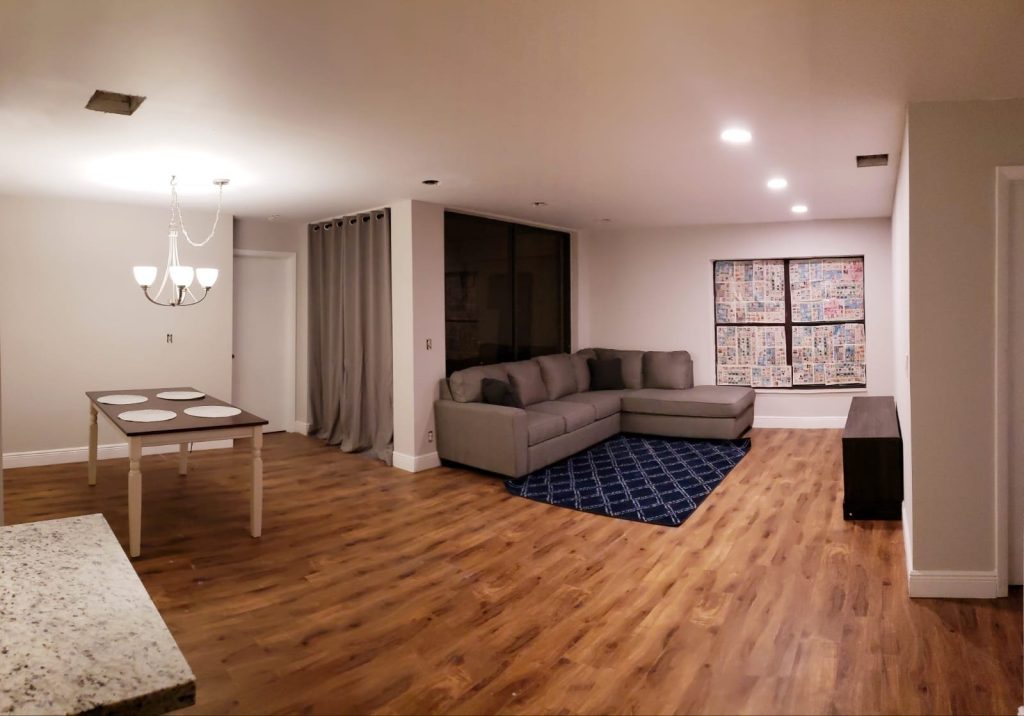
It was supposed to be the easy one.
A living room remodel in South Florida — the kind of smooth job you schedule between the hard ones. Open the walls, do the work, close it back up, hand the homeowner a room that feels brand new. The plan was clean. The timeline was clean: one month, start to finish.
Then demolition started, and the wall told us a different story.
What demolition found
You do not find termites in a living room by looking at the paint. From the outside, this wall looked like every other wall. Solid. Normal. Nothing to warn anybody.
The warning only comes when the drywall comes off.
Behind it, the load-bearing studs — the wood that actually holds the structure up — were eaten through. Severe, hidden termite damage, sitting inside a wall nobody had opened in years. Studs that should have been solid timber were hollowed out, tunneled, and crumbling. The kind of damage that does not knock, does not stain the paint, and does not announce itself until the day somebody finally looks behind the surface.
That is the trap in the name of this story. Termites do not damage the part you can see first. They work in the dark, inside the wood, and a wall can look perfect while the structure behind it is being eaten alive.
And these were not decorative studs in a closet. Load-bearing means exactly what it sounds like: that framing carries weight. You cannot shrug at it, you cannot drywall over it, and you cannot pretend paint will fix it.
The decision point
This is where a remodel either stays honest or goes sideways.
The easy move — the wrong move — is to close the wall back up. The homeowner never saw it. The schedule never slips. Everybody gets paid on the easy timeline, and the damage stays hidden until it becomes a much bigger, much more dangerous problem. I have seen what that choice leaves behind, and I will not be the contractor who makes it.
The other move is to stop, show the homeowner exactly what demolition found, and fix the structure before one more finish goes on that wall. That is more work, in the middle of a job that was supposed to be smooth, on a clock that was already set.
There was never a real choice. Structure first. Always.
The fix, done right
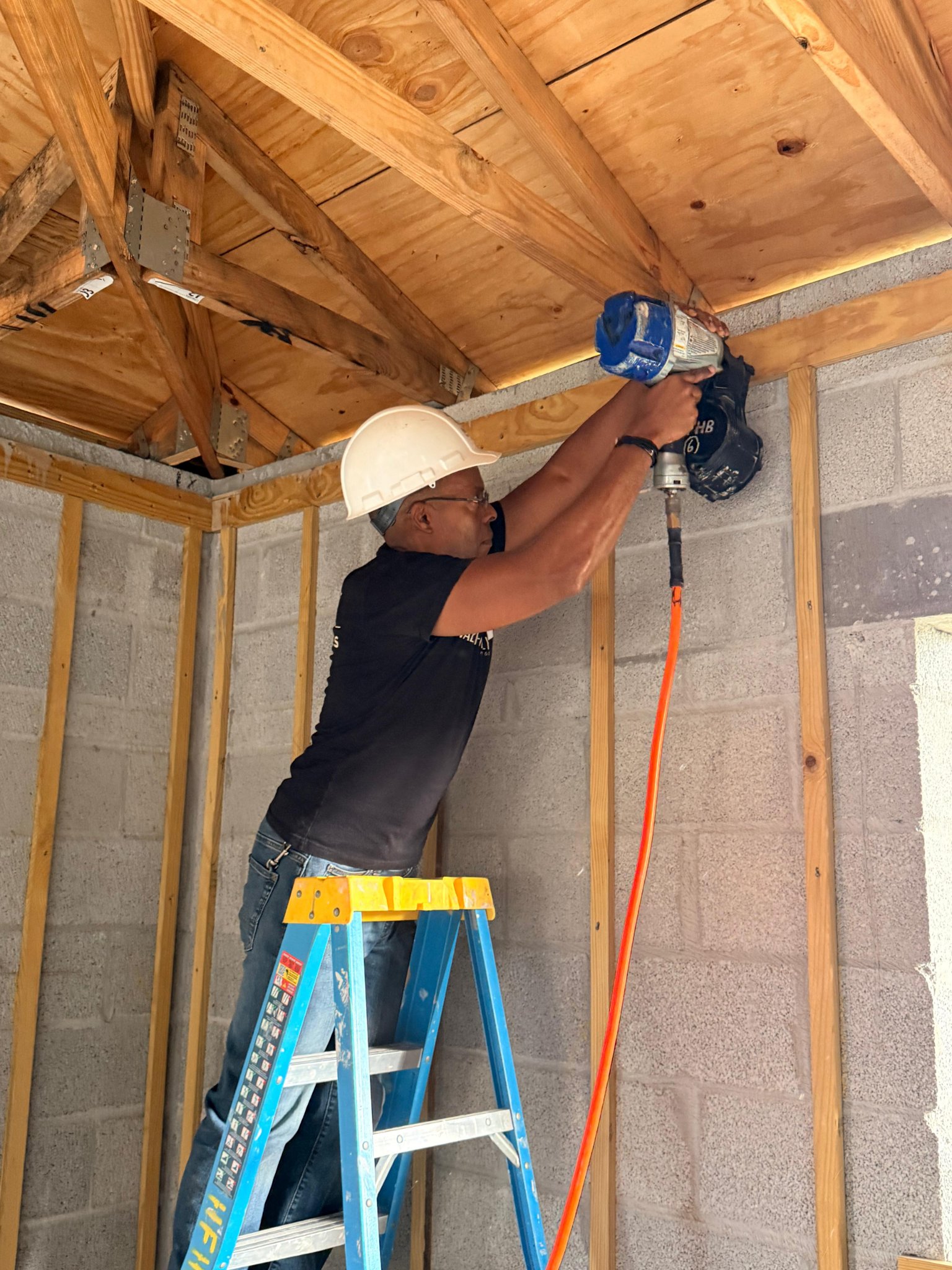
You do not just rip out load-bearing studs and hope the building understands. The load those studs carry has to be supported before the damaged wood comes out — shore it, carry it, then rebuild.
So that is what we did. The damaged framing came out, and we rebuilt the structural framing the way it should have been all along: solid, sound wood, properly carrying the load, built to be inspected and built to last. Not sistered scraps over eaten timber. Not a patch dressed up to pass a glance. A real rebuild of the wall’s skeleton.
That is the unglamorous half of our interior renovations work. Homeowners fall in love with the finished rooms on our projects page — as they should. But a finished room is only as good as what is standing behind the drywall, and on this job, what was standing behind it had to be rebuilt before the room deserved to be finished.
Once the structure was sound again, the remodel went back on its rails: close the wall, finish the room, and make up the time the termites tried to steal with planning and pace — not by cutting the corners that caused problems like this in the first place.
The result
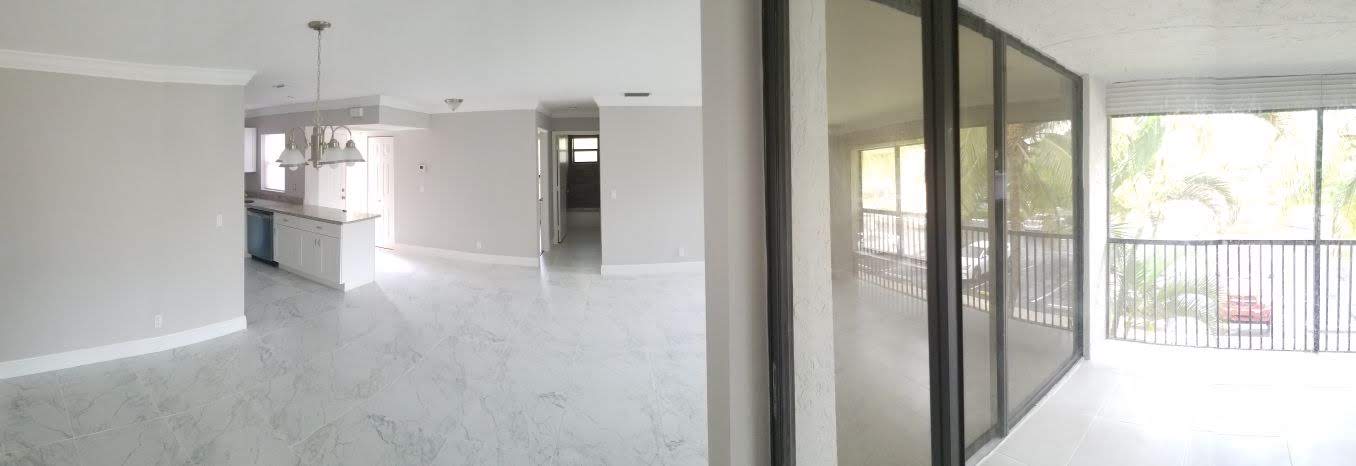
Finished — within the original month.
Read that again, because it is the whole story. Severe hidden termite damage in load-bearing studs, found mid-demolition, structural framing rebuilt — and the job still landed inside the month it was promised in. The homeowner got the living room they hired us for, on the timeline they were told, sitting on a structure that is now actually worthy of the room.
They also got something no finish can give them: the knowledge that what is behind their walls is sound. A prettier room over eaten framing is not a remodel. It is a secret waiting for a worse day.
What to watch for in your own home
You cannot see inside your walls, but termites leave whispers before they leave wreckage. Wood that sounds hollow when you knock on it. Tiny piles of what looks like sawdust or coffee grounds — that is frass, and something is making it. Mud tubes along a foundation or wall. Paint that bubbles or sags for no reason anyone can name. Doors and windows that suddenly stick in frames that used to swing free.
One sign does not prove anything. A pattern of them means open the conversation before you open the wall for a remodel — and if you are already planning work, understand this: demolition is the one honest moment in a home’s life. Whatever is hiding gets found. The only question is whether your contractor shows it to you and fixes it right, or covers it back up and keeps the schedule pretty.
Your turn
Planning a living room remodel in South Florida — or worried about what might be hiding behind your walls? Call or text me at (561) 462-9293 for a free estimate, and we will talk about the structure before we talk about the finishes. Reach us through our contact page too.
Onel Construction LLC — Florida Certified General Contractor CGC1511492. Licensed and insured, serving Boca Raton and a 75-mile radius — West Palm Beach to Miami.
Insurance savings vary by carrier, policy, and home — figures shown are “up to” amounts, not guarantees. Grant eligibility, amounts, and funding availability are determined by the program and may change. Financing subject to lender approval; rates and payments vary by credit profile. All financing examples assume approved credit through our financing partner.