Homeowners ask me this right after they ask the price — and it makes sense. If you’re going to spend real money protecting your house, you want to know how many hurricane seasons that money actually buys you. I’m Joe, I run Onel Construction out of Boca Raton, and I install impact windows and doors across Palm Beach, Broward, and Miami-Dade. Here’s the honest lifespan answer, and the few simple things that decide whether your windows go the distance or give up early.
Key takeaways
- Most quality impact windows last 20 to 30 years in South Florida — the frame and laminated glass are built for decades, not seasons.
- Installation quality decides more than brand does. A good window installed badly will leak, fog, and fail years before a solid window installed right.
- The parts that wear are the maintainable parts: sealant, weatherstripping, and hardware. Rinse off salt, keep tracks clean, and have the caulk checked every few years.
- Fogging between the panes, hard operation, and visible corrosion are the warning signs that a unit is near the end — not its birthday alone.
- As long as your impact windows meet code and work properly, the benefits continue — storm protection, quieter rooms, and insurance savings of up to $1,400/year depending on your carrier and policy.
Why impact windows last as long as they do
An impact window isn’t regular glass in a regular frame. The glass is laminated — two panes bonded around a tough inner layer that holds together when something hits it — and the frame is heavier and anchored into the structure of your house. That build is why the lifespan is measured in decades. The glass itself doesn’t wear out from sunshine, and a properly anchored aluminum frame doesn’t rot the way old wood frames did.
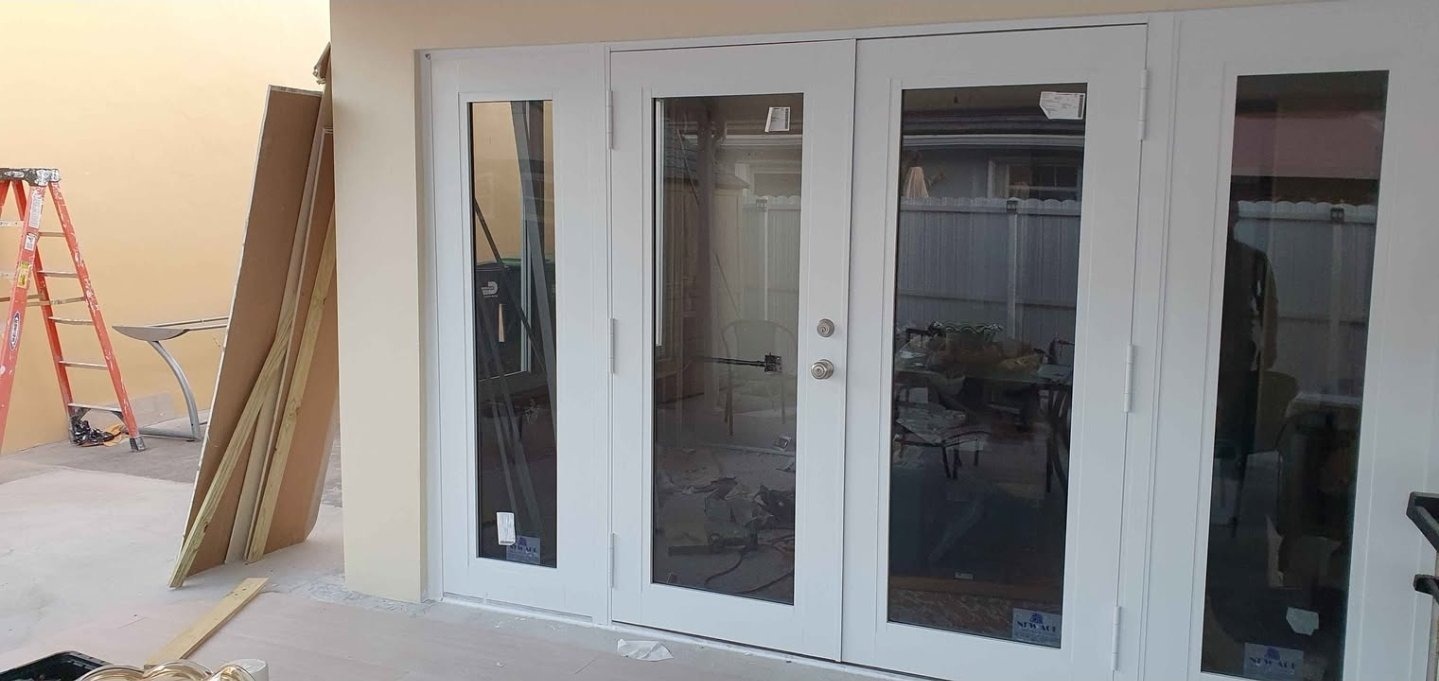
That’s also why the starting price is what it is. On my jobs, $1,800 per window installed is the floor — the cheapest it will ever be — and that includes delivery, removal of the old window, and installation. You’re not paying for glass alone. You’re paying for a system that has to still be working on a bad night twenty years from now.
What actually shortens the life
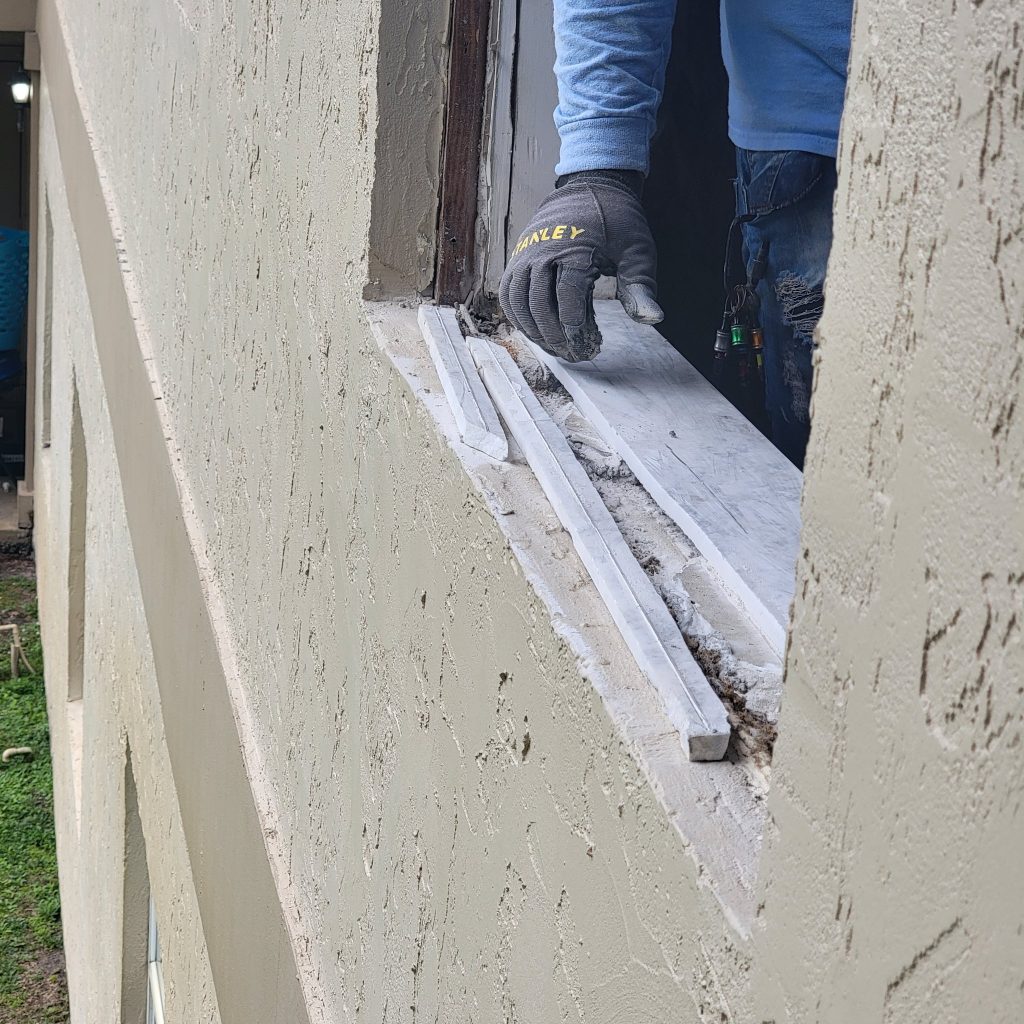
In my experience, windows rarely die of old age. They die of four things. Bad installation is number one: a unit that isn’t shimmed, anchored, and sealed right will flex, leak, and fog early. Salt air is number two on the coast — it eats hardware and finishes if you never rinse it off. Neglected sealant is number three: the caulk around the frame is a maintenance item, and when it cracks and nobody reseals it, water finds its way in. Hard use is last — sliders forced on dirty tracks and locks slammed year after year wear out hardware that should have lasted.
None of that is complicated to prevent. Rinse the frames a few times a year, vacuum the tracks, lubricate the locks and rollers once in a while, and let me or another pro look at the sealant when you have other work done. Ten minutes of care beats a replacement bill.
The signs a window is near the end
Look for fog or moisture trapped between the panes — that means the seal has failed. Look for windows that are suddenly hard to open, close, or lock. Look for cracked laminate, soft or rotted material around the opening, and heavy corrosion on coastal homes. And if your wind mitigation inspector or insurance company starts questioning the units, take that seriously — a window that no longer meets code or no longer functions isn’t giving you the protection or the credit you think it is.
One good window can often be repaired — new hardware, new sealant, sometimes a replacement sash. A whole house showing the same failures at the same age is usually telling you replacement time is coming. I walk through the quieter side of these windows in my post on whether impact windows reduce noise — that laminated build is doing double duty every day, not just during a storm.
Is it worth it over that lifespan?
Do the math the way I do it with homeowners at the kitchen table. Spread a 20-to-30-year window over its life, add in insurance savings of up to $1,400/year where your policy allows it, and remember that programs like My Safe Florida Home have offered up to $10,000 to help eligible homeowners harden their homes — we help eligible homeowners navigate the application. Then compare that with putting up shutters season after season, or replacing cheaper, non-impact windows sooner. For most South Florida homeowners who plan to stay in the house, impact windows installed right are a one-time job for a generation. Our impact windows in Boca Raton page shows how we run an install from the first measurement to the final inspection.
Get a straight answer on your windows
If your windows are fogging, sticking, or just old and you’re not sure what’s left in them, call me at (561) 462-9293 or reach me at https://onelconstruction.com/contact-us/ and I’ll come out, check them honestly, and tell you what’s worth repairing and what’s worth replacing — in writing, before any work starts.
Financing is available on everything we do. Payments start at $120 a month on smaller jobs, and most projects land in the low $200s to $300s a month with approved credit. Rates run as low as 4.49% APR with approved credit. Ask at the free measure and we’ll lay the options out in writing, next to the estimate.
— Joe, Onel Construction LLC, License CGC1511492, Boca Raton, FL
Prices are averages from recent jobs, set before the latest round of tariff-driven material price increases, and subject to change with inflation, tariffs, and market conditions. Your free estimate always uses current numbers.
FAQ
Q: Do impact windows come with a long warranty? A: Many quality manufacturers back their frames and glass for 20 years or more, with the exact terms varying by brand and product line. The warranty only helps if the window was installed to the manufacturer’s specs — one more reason the install matters as much as the window itself. I go over the paperwork on every job before we start.
Q: Do impact windows need maintenance in Florida? A: Very little, but not zero. Rinse off salt and dirt a few times a year, keep slider tracks clean, lubricate locks and rollers occasionally, and have the exterior sealant inspected every few years and resealed when it cracks. That small routine is what gets you to the long end of the 20-to-30-year range.
Q: Will my insurance credit continue for the life of the windows? A: Generally, yes — as long as the windows still meet code, are in good working condition, and your carrier offers a wind-mitigation credit for opening protection. Savings run up to $1,400/year depending on carrier and policy, and your agent confirms the credit after a wind mitigation inspection.
Q: When should I replace impact windows instead of repairing them? A: Repair when one unit has a hardware or sealant problem. Start planning replacement when you see fogging in multiple units, widespread corrosion, windows that won’t lock properly, or a failed inspection. At the free measure I’ll tell you plainly which side of that line your house is on.
Insurance savings vary by carrier, policy, and home — figures shown are ‘up to’ amounts, not guarantees. Grant eligibility, amounts, and funding availability are determined by the program and may change. Financing subject to lender approval; rates and payments vary by credit profile. All financing examples assume approved credit through our financing partner.