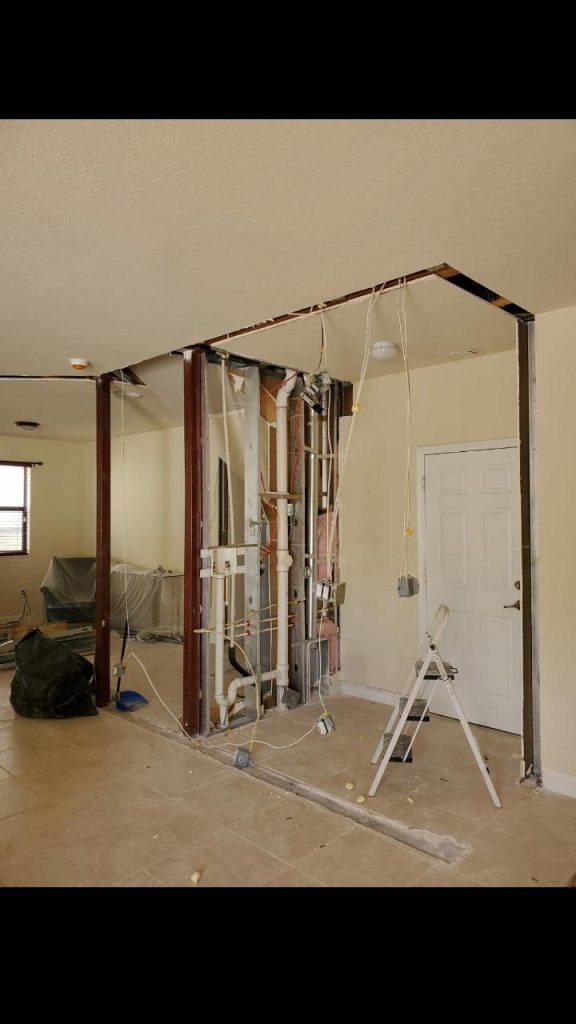
I get this question in two very different situations, and they need two very different answers.
Sometimes it’s a homeowner who wants to do his own work on his own house and save the labor. Fair question. Sometimes — and this is the one that worries me — a “plumber” has told the homeowner, “You pull the permit, it’ll be faster and cheaper.” When a guy who does plumbing for a living asks you to put your name on his permit, that’s not a shortcut. That’s him handing you his liability. Here’s how to tell which situation you’re in, and what your name on that permit actually means.
Key takeaways
- Yes, in Florida a homeowner can usually pull an owner-builder permit for plumbing work on a house they own and live in — but your name on the permit makes you legally responsible for the work meeting code.
- Owner-builder means you are the contractor in the eyes of the city: you schedule the inspections, you answer for failures, and anyone you hire to help becomes your responsibility.
- If a plumber asks you to pull the permit for work he’s being paid to do, stop. A licensed plumber pulls his own permits. That request usually means he can’t — because he isn’t licensed for it — and your permit would be covering his work.
- Rental property, a home you plan to sell within a year, and commercial work generally fall outside the owner-builder path — those need a licensed contractor’s permit.
- Rules and paperwork vary by city, so confirm with your local building department before you apply. When in doubt, one phone call before the work starts beats a failed inspection after the walls are closed.
When pulling your own permit is legitimate
Florida law has an owner-builder exemption for a reason. If you own the house, you live there, and the work is for your own use — not for sale, not for rent — most cities will let you apply for the permit yourself. You’ll typically have to appear in person, sign an owner-builder affidavit, and prove the house is yours.
I’ve got no argument with a handy homeowner who wants to swap his own water heater or move a sink in his own kitchen and do it by the book. Pull the permit, get the inspection, keep the paperwork with your house records. Done that way, the permit protects you: an inspector verifies the work, and a future buyer, insurer, or appraiser can see it was done legally.
Just walk in with your eyes open about what you signed. As the owner-builder, you have to supervise the work, make sure it passes inspection, and comply with the same code a licensed plumber works under. If you hire day help, you can become their employer for workers’ compensation and tax purposes. And under the exemption, a home you permitted as owner-builder generally can’t be sold or leased within a year of completion — the state wants owner-builders building for themselves, not flipping under a homeowner loophole.
You can see the kind of work we permit and stand behind every week on our plumbing page, and judge the company itself starting at onelconstruction.com.
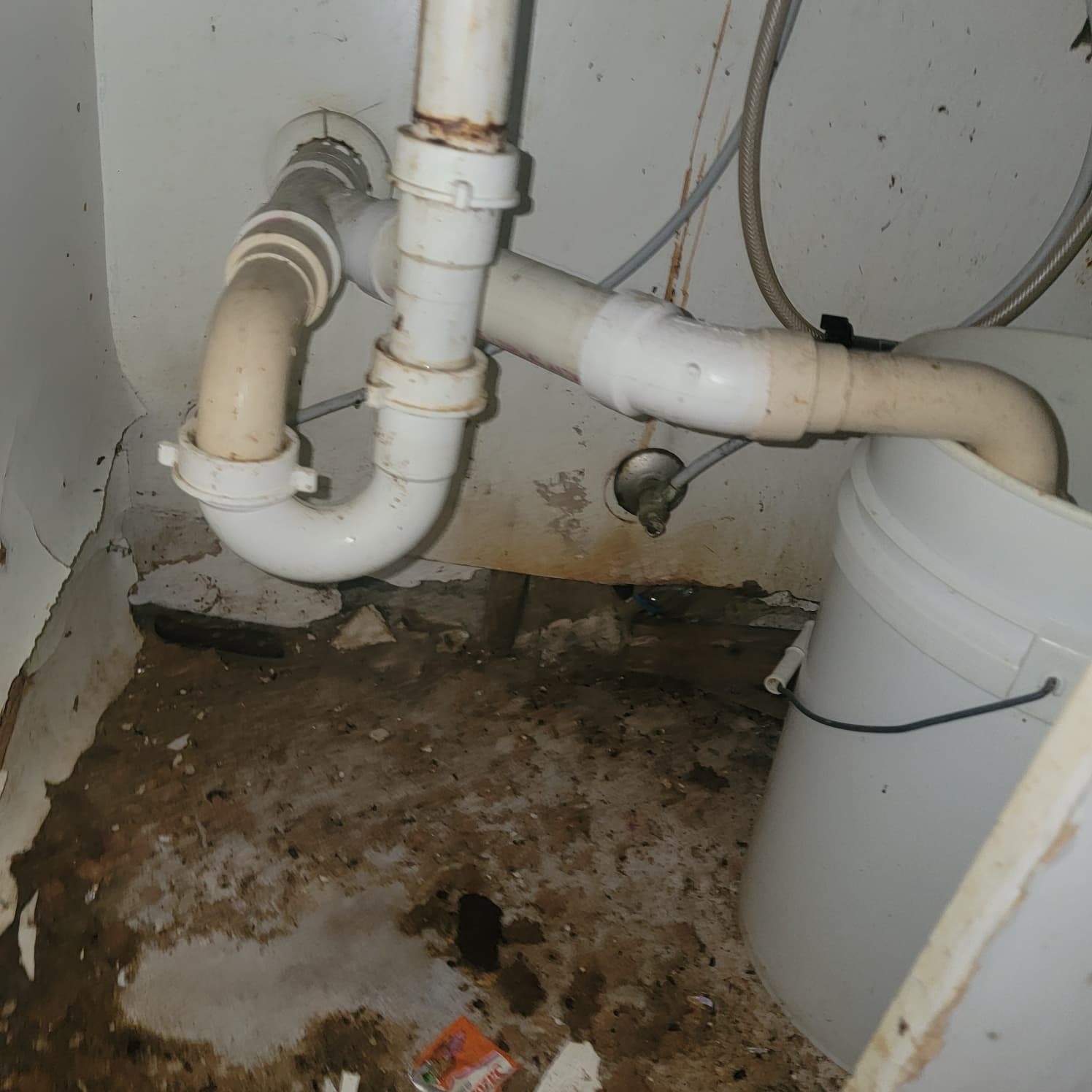
When it’s a red flag — the plumber who won’t pull it
Now the other version, and I’ll say it plain: if a plumber is charging you for the job but won’t put his name and license on the permit, there is almost always a reason, and none of them are good for you.
A licensed Florida plumber pulls permits as a normal part of the job. It’s not a favor and it’s not an upsell — it’s how his work gets inspected and how his license stays attached to it. A guy who wants your name on the permit instead is usually working without the license the job requires, and your owner-builder permit would make his unlicensed work look legal on paper.
Here’s what lands on you in that arrangement. The inspection fails? Your name is on it. The work leaks and damages the house? Your permit, your problem — and your insurer may look hard at whether unpermitted-in-effect work was disclosed honestly. You sell the house later? That permit history follows the property, and so does the story of who was responsible for the work. Meanwhile the guy who actually did it has his name on nothing. I wrote more about where that line sits in plumber or handyman — who should you hire? — the permit is usually where the difference shows up first.
There’s a legitimate middle case worth naming: a licensed contractor sometimes asks the homeowner to sign owner paperwork the city requires, or to be present for an application on a complicated job. That’s different. In that case his license number is still on the permit and he still schedules and stands for the inspections. If his name is nowhere on it, it’s not the middle case.
What the permit actually costs you either way
The permit fee itself is the small part — usually a modest city fee based on the scope. The real cost difference is risk. On my permit, a failed inspection is my crew’s time to fix, my relationship with the inspector, and my license on the line until it passes. On your permit, all of that is yours, including the downtime while you figure out what the inspector wants.
And if money is the reason someone’s steering you toward the cheap route, there are honest ways to handle that too. Most plumbing projects we do can be financed — small jobs from $120/month, typical projects in the low $200s–$300s/month, with approved credit, at rates as low as 4.49% APR with approved credit through our financing partner. A real number on a permitted job beats a cheap number that leaves you holding someone else’s liability.*
Not sure whose name should be on it? Ask before anyone touches a pipe
Call or text me at (561) 462-9293 (call/text), or reach us through our contact page. Tell me the job and what the other guy proposed, and I’ll tell you straight whether it’s a job you can permit yourself, a job that needs a licensed plumber’s name on it, or a proposal you should walk away from. No charge for that conversation — I’d rather you ask before the walls are open than call me after an inspection fails.
Onel Construction LLC — a licensed Florida general contracting firm (CGC1511492). Licensed and insured, serving Boca Raton and a 75-mile radius — West Palm Beach to Miami.
Prices are averages from recent jobs, set before the latest round of tariff-driven material price increases, and subject to change with inflation, tariffs, and market conditions. Your free estimate always uses current numbers.
FAQ
Can I pull a plumbing permit for a rental property I own?
Generally no — the owner-builder exemption is built around a home you own and occupy for your own use. Rental and investment property work typically needs a licensed contractor’s permit. Confirm with your city building department before you apply, because a permit pulled under the wrong basis can be voided.
What happens if I pull the permit and the inspection fails?
As the permit holder, you are responsible for correcting the work and calling for re-inspection. If a paid plumber did the work under your permit, getting him back to fix it is between you and him — the city will be dealing with you. That’s exactly the exposure a licensed contractor’s permit keeps off your shoulders.
Is it illegal for a plumber to ask me to pull the permit?
Asking you to pull an owner-builder permit so he can do paid work under it is asking you to help him work outside the licensing system — and it can leave you liable as if you were the contractor. A licensed plumber can pull his own permit in a single visit or online in most South Florida cities. If he says he can’t, ask to see his license number and verify it before any money moves.
Do I need a permit for every plumbing job in my own home?
No. Like-for-like fixture swaps and minor repairs often don’t require one, while moving drains, adding lines, and water heater replacements usually do. I covered the water heater case in detail in our post on water heater permits. When the line isn’t clear, your building department — or one call to us — settles it before the work starts, which is the only time settling it is free.
Insurance savings vary by carrier, policy, and home — figures shown are ‘up to’ amounts, not guarantees. Grant eligibility, amounts, and funding availability are determined by the program and may change. Financing subject to lender approval; rates and payments vary by credit profile. All financing examples assume approved credit through our financing partner.