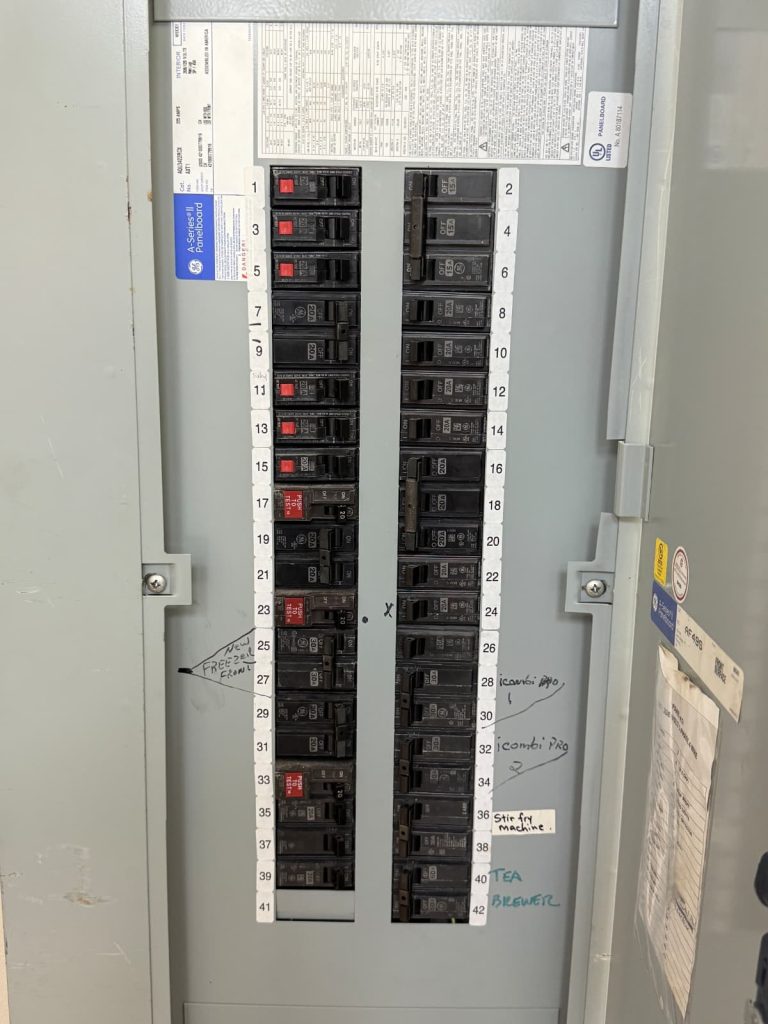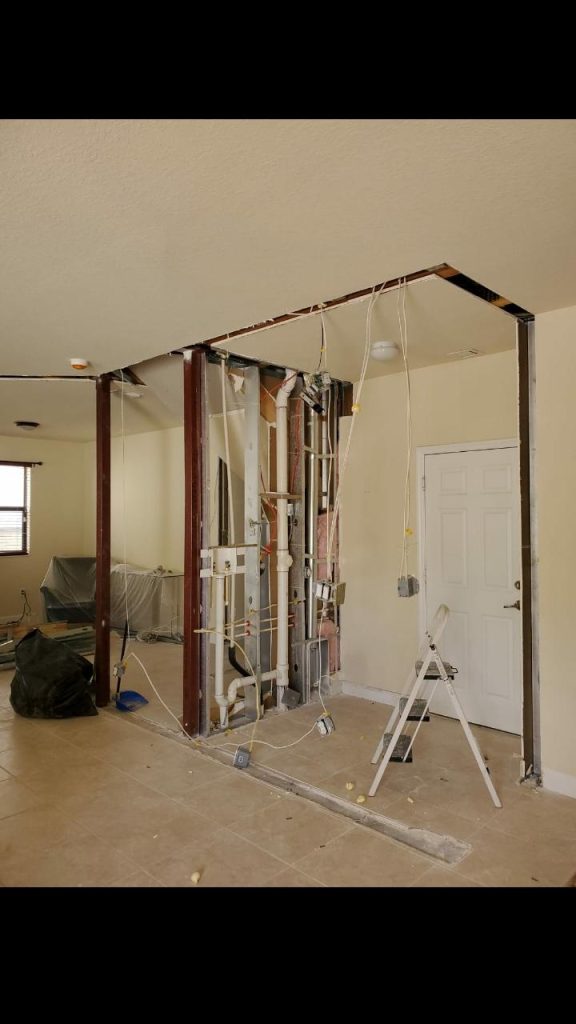
Most homeowners never think about their electrical panel. It’s a gray box in the garage or on the back of the house — out of sight, out of mind. Then one day the breakers start tripping every time the microwave runs, or the insurance company sends a letter with a brand name on it, and suddenly that gray box is the most important thing in the house.
Here’s how I size up a panel when I walk a house: what the warning signs mean, which ones are urgent, and when “it’s fine” is actually the right answer.
Key takeaways
- Breakers tripping on a pattern, flickering lights, buzzing or heat at the panel, and a burning smell are your red flags — these mean the panel is struggling, and the burning smell means call someone now.
- Federal Pacific and Zinsco panels are problem brands by name in Florida — insurance companies flag them on four-point inspections, and many carriers will condition your policy on replacing them.
- 100-amp service is often the real culprit — not the panel failing, but the house outgrowing it (EV charger, pool equipment, addition). The fix is the same: a bigger, modern panel.
- A fuse box instead of breakers is an automatic candidate for replacement — and rust, corrosion, or double-tapped breakers inside the panel are “don’t wait” items.
- Panel replacements are permitted work in Florida — any quote that skips the permit is one to walk away from.
Your panel talks — here’s what it’s saying
1. Breakers tripping as a habit, not an event. One trip during a storm? Normal. The same breaker tripping every week, or tripping the moment two appliances run together? That’s a panel that’s either undersized or worn out. Breakers wear down — they trip slower as they age, which is the exact opposite of what you want a safety device to do.
2. Lights dimming or flickering when something big starts. AC compressor kicks on and the kitchen lights dip — that’s voltage sag from a panel that can’t feed everything at once. Occasional and mild is common; constant and deep is a sign the service is maxed out.
3. Buzzing, warmth, or a burning smell at the panel. A healthy panel is silent and cool. Buzzing means a loose or arcing connection. Warmth or heat on the cover means something is carrying more load than it should. A burning smell — especially near the panel — is the one sign where you don’t schedule around it. You call. This is how house fires start, and Florida homes with decades-old panels are exactly where inspectors find this.
4. Rust, corrosion, or water marks inside or around the panel. Our outdoor and garage panels take humidity and storm water year-round. Corroded breakers and bus bars lose contact, heat up, and fail — sometimes in the “on” position, which means no protection at all.
5. A fuse box instead of circuit breakers. Still out there in older Boca and Delray homes. Fuse boxes can’t be reset — and worse, people upsize fuses to stop nuisance blowouts, which defeats the entire safety purpose. If you have a fuse box, it’s not a question of if, it’s when.
6. The insurance letter. In Florida, this one’s almost as common as the mechanical signs. On a four-point inspection — required for most homeowners insurance on homes 25+ years old — the inspector documents the panel brand, age, and condition. Federal Pacific and Zinsco panels get flagged by name, and carriers will often condition your coverage on replacing them. I’ve seen deals nearly fall apart the week before closing because nobody looked at the panel until the insurance underwriter did. Getting ahead of this on your own schedule is always cheaper and calmer than doing it on an insurer’s deadline.
7. You’re about to add load. EV charger, pool heater, hot tub, home addition, workshop — each one is a real chunk of amperage. A 100-amp panel in a house with central AC, an electric range, and an electric water heater often has no room left. I run a load calculation on every estimate where new equipment is in the plan. Sometimes the answer is a dedicated circuit off the existing panel. Sometimes the honest answer is that the panel has to go first — and it’s better to know that before the electrician is standing in your driveway.
What “needs replacing” does NOT mean
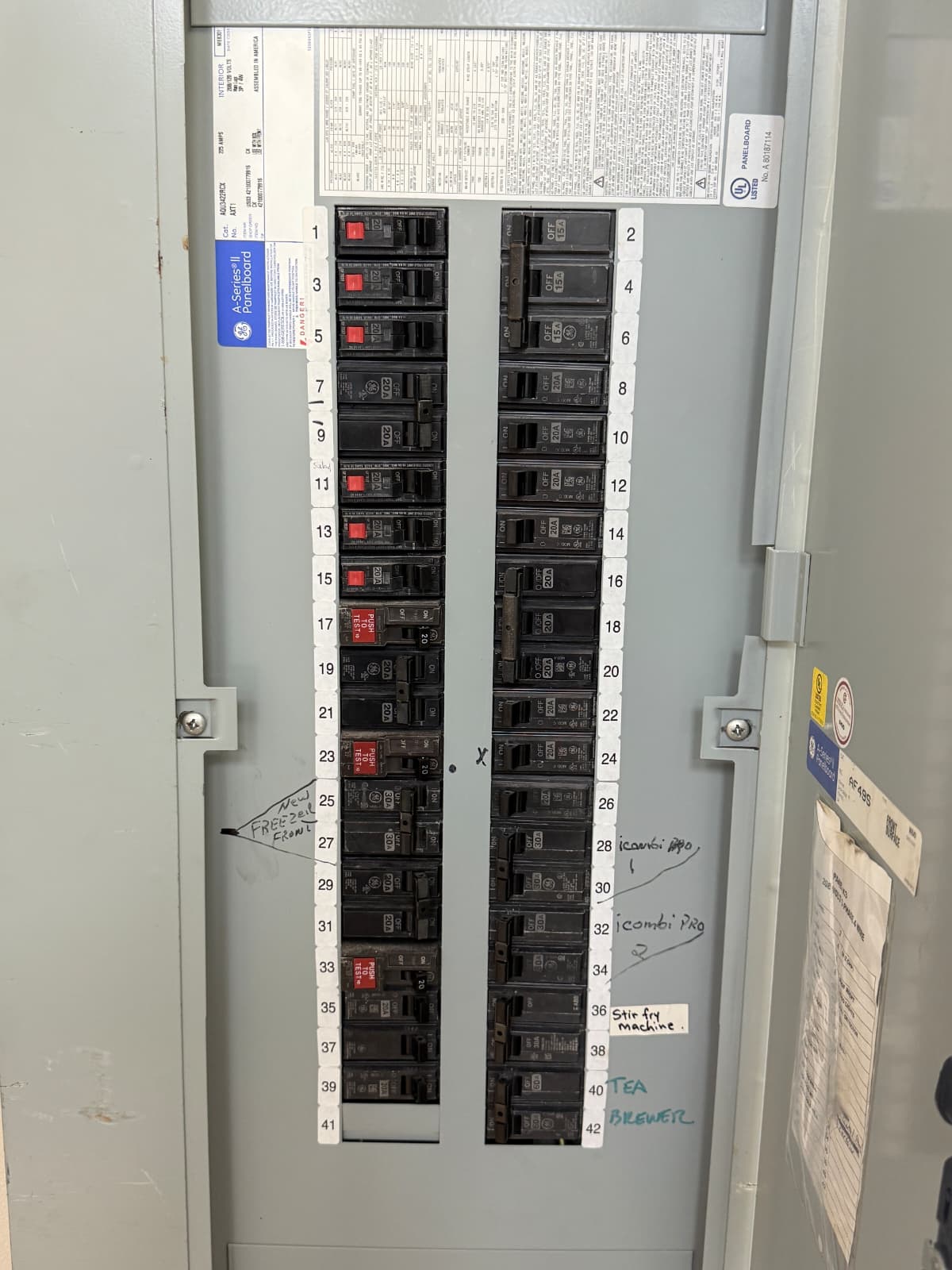
Not every old panel is a bad panel. A well-made 200-amp panel installed twenty years ago with clean wiring and no symptoms can have years of life left. When I open a panel and find clean bus bars, tight connections, proper labeling, and no heat — I’ll tell you it’s fine and not sell you a job you don’t need. That’s how you stay in business in one town for this long: the panel either needs it or it doesn’t, and I’d rather earn your kitchen remodel later than your panel job today.
What it costs when the answer is yes
If the panel does need to go, the typical South Florida job — usually stepping up to 200 amps — runs about $1,500 to $3,500: new panel, breakers, labor, permit, and final inspection.* I wrote the full breakdown of what drives that number here.
FAQ
How long does an electrical panel last?
A quality panel lasts 25 to 40 years, but age isn’t the whole story — brand, environment, and load matter more. A 30-year-old panel in a dry garage can outlast a 15-year-old panel that’s been breathing salt air.
Can I replace my panel myself or have my handyman do it?
No. In Florida, panel work must be done by a licensed electrical contractor and permitted, with a final inspection. The main panel is the most dangerous electrical work in your home — this is licensed-trade territory, no exceptions.
Will replacing my panel lower my homeowners insurance?
Not directly, the way impact windows do. But if you have a flagged panel brand (Federal Pacific, Zinsco), replacing it removes the condition some carriers place on your policy — and a clean four-point keeps more insurers competing for your business. Pair it with impact windows, and that’s the hardening combo Florida carriers actually reward.
Do I need a permit to replace an electrical panel in Florida?
Yes — an electrical permit pulled by a licensed contractor, plus a final inspection under the Florida Building Code. That inspection record is what protects you when you sell or file a claim.
Get a straight answer on your panel
Open your panel (or don’t — I’ll do it). I’ll tell you in ten minutes whether it has years left or needs to go, and give you a real number either way. Onel Construction LLC (CGC1511492) serves Palm Beach, Broward, and Miami-Dade counties, and homeowners across South Florida trust us with the big decisions.
Call me: (561) 462-9293 — or send the details through our contact page and I’ll get you scheduled.
*Price note in my own words: those are averages from recent jobs around here — set before the latest round of tariff-driven material price increases. They move with inflation, tariffs, and the market. Your free estimate always uses current numbers.
Insurance savings vary by carrier, policy, and home — figures shown are ‘up to’ amounts, not guarantees. Grant eligibility, amounts, and funding availability are determined by the program and may change. Financing subject to lender approval; rates and payments vary by credit profile. All financing examples assume approved credit through our financing partner.