There’s a special kind of phone call in this business. It’s not “we’re thinking about remodeling.” It’s “we already remodeled — and now we have a problem.”
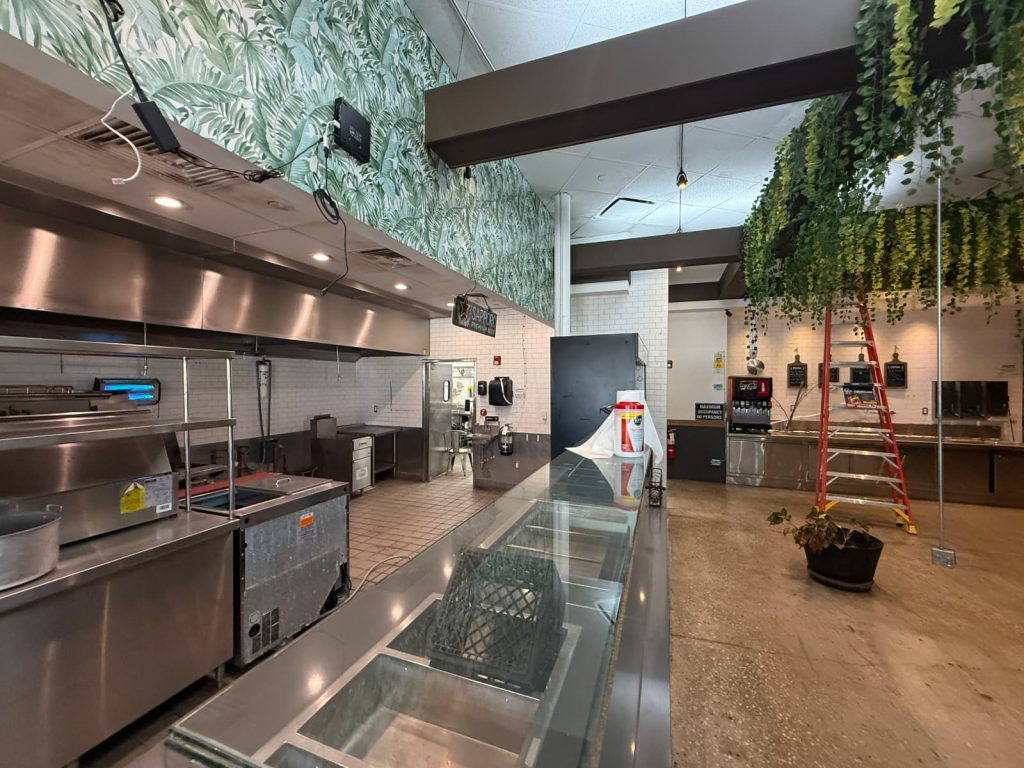
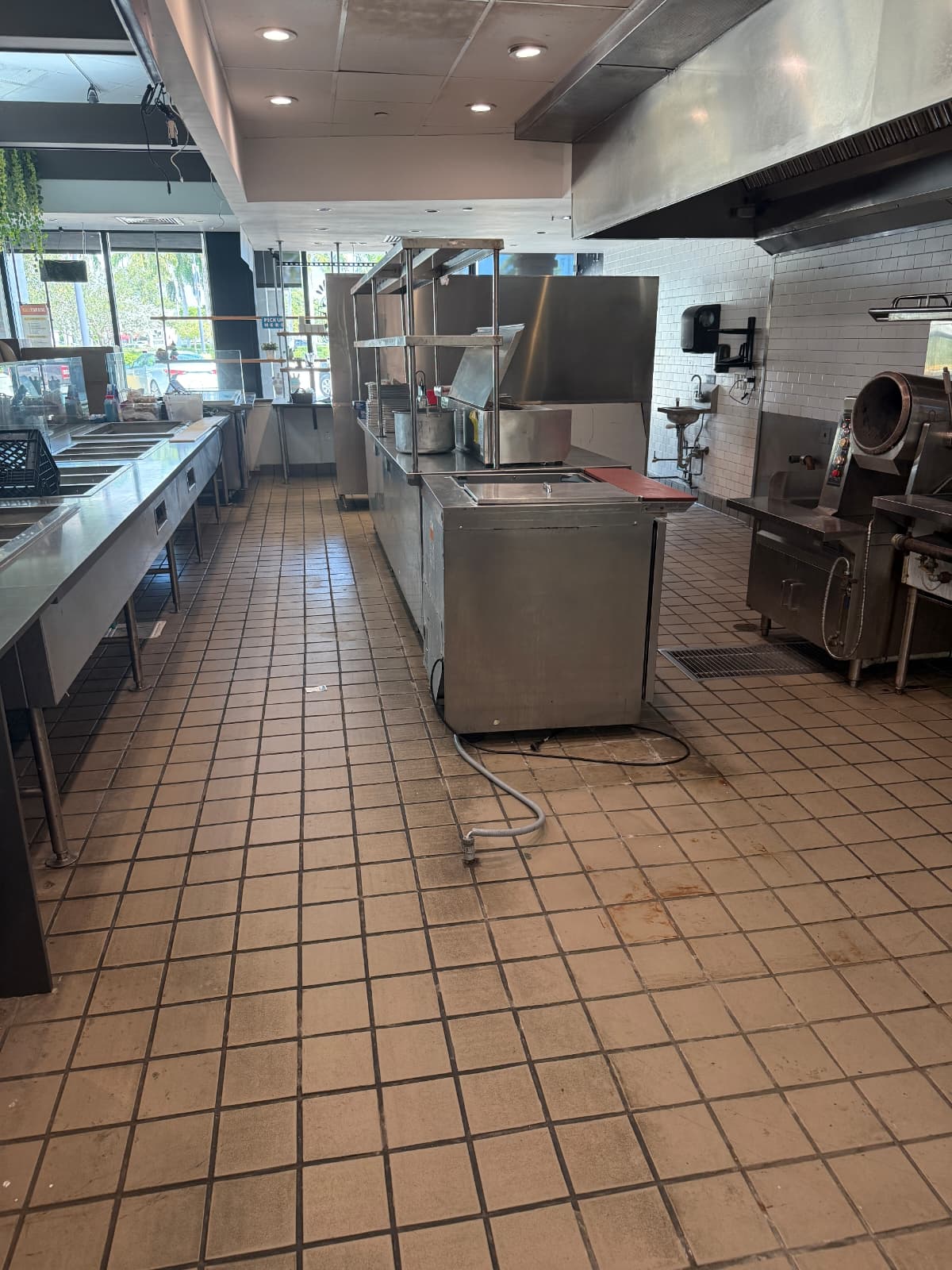
That was this call. A diner in South Florida, mid-remodel, and the owner had just found out what the contractor before me had left behind. The work looked like progress from the dining room. Behind the line, where it matters, the fire codes had been ignored.
A restaurant doesn’t get to open on “looks finished.” It opens when the fire inspector says it opens. And this one wasn’t going to.
What the last guy left behind
I want to be careful here, because I take over other contractors’ work often enough to know how it usually goes. Sometimes it’s sloppy. Sometimes it’s a guy who got in over his head. This was different. Fire code in a commercial kitchen isn’t a finishing detail you circle back to. It’s the backbone of the whole build — and on this job, it had been treated like an afterthought.
The suppression system is the part nobody in the dining room ever thinks about, and it’s the part that decides whether a kitchen fire becomes a bad night or a catastrophe. The way it was routed, it wasn’t going to do its job the way the code requires — and it wasn’t going to pass inspection. Not a tough inspection. Any inspection.
That’s the part that gets me. The owner had paid for a remodel. What he’d bought was a kitchen that couldn’t legally cook.
My diagnosis: pretty doesn’t pass — code passes
Here’s what I tell every restaurant owner I work with: in a commercial kitchen, the inspector is not your enemy and the code is not paperwork. The code is the written record of every fire that already happened somewhere else. Ignore it and you’re not saving time. You’re borrowing from a fire that hasn’t happened yet.
So we didn’t patch. We didn’t dress it up and hope the inspector was in a good mood. In our commercial and interior renovation work, there’s one honest way to fix a code problem: go back to what the code actually requires and build to that — even when it means redoing work somebody already paid for once.
On this job, that meant the suppression systems. We re-routed them — properly, the way they should have been routed the first time — so the system would actually protect the line it was installed to protect, and so an inspector walking in cold could see a system that made sense.
Was that the cheapest conversation I could have had with that owner? No. The cheapest conversation is “let’s see what we can get away with.” I’ve never had that conversation in my life. He’d already paid one contractor to ignore the code. Paying a second one to hide it would have been worse.
The inspection
Local fire inspections for restaurants are tough. They should be. The inspector who walked this diner had no stake in anybody’s schedule, budget, or feelings — just a code book and a kitchen that had already failed to respect it once.
He checked the suppression system the way you’d hope an inspector checks the thing standing between a cooking fire and a dining room full of people. Carefully. And the system he found was the re-routed one — built to code, routed to protect, nothing hidden, nothing dressed up.
Passed. First try.
I’ve had a lot of good days in this business. Watching an owner realize he was finally, legally, safely going to open his doors — after what the first contractor put him through — that one ranks.
The result
The diner got its remodel done right: a kitchen where the fire protection isn’t a decoration, and an inspection passed on the first attempt instead of a cycle of failures, delays, and re-inspection fees eating the opening alive.
That’s the difference between a contractor who builds for the photograph and a contractor who builds for the inspector, the insurer, and the family eating dinner twenty feet from the line. You can see that standard across our commercial projects.
Taking over somebody else’s job?
If you’ve got a restaurant or commercial kitchen remodel in South Florida that another contractor left unfinished — or finished wrong — call or text me at (561) 462-9293. Free estimate, straight diagnosis: I’ll tell you what the code requires, what it takes to get there, and I’ll build it so it passes the first time. You can also reach us through our contact page.
Onel Construction LLC — Florida Certified General Contractor CGC1511492. Licensed and insured.
Financing is available on everything we do. Payments start at $120 a month on smaller jobs, and most projects land in the low $200s to $300s a month with approved credit. Rates run as low as 4.49% APR for qualified buyers. Ask at the free measure and we’ll lay the options out in writing, next to the estimate.
Insurance savings vary by carrier, policy, and home — figures shown are “up to” amounts, not guarantees. Grant eligibility, amounts, and funding availability are determined by the program and may change. Financing subject to lender approval; rates and payments vary by credit profile. All financing examples assume approved credit through our financing partner.