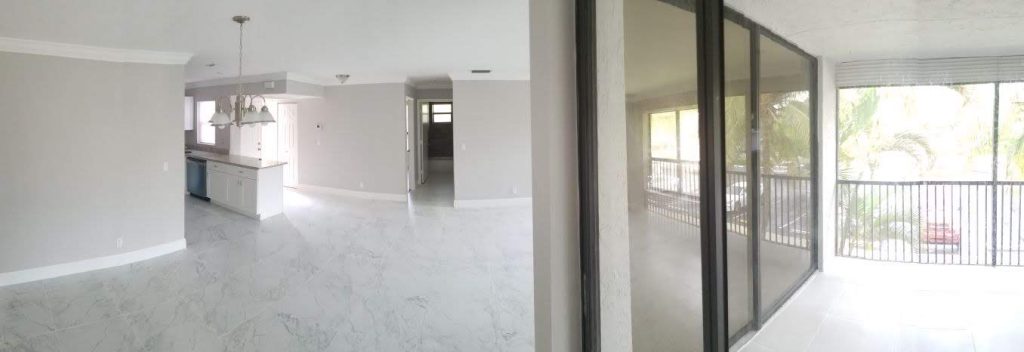
The floors were new. That was the cruel part.
A condo owner had just put in new hard floors — the kind of upgrade you save for, plan for, and look forward to walking on — and instead of enjoying them, they were facing heavy HOA fines. The complaints were about noise. Every step, every movement upstairs was landing in the unit below, and the association was done asking nicely. The fines were the building’s way of saying: fix this, or pay for it, over and over.
So the call came to me. Not “can you make my floor prettier?” The floor was already pretty. The call was: can you make it quiet before this gets any more expensive?
What I found when I listened
Hard floors and condo slabs have a physics problem nobody warns you about at the showroom.
A hard surface does not absorb impact — it transmits it. A heel strike, a chair leg, something dropped in the kitchen: that energy goes straight through the flooring, into the slab, and down into the ceiling of the neighbor below. Downstairs, it does not sound like footsteps. It sounds like somebody living on their ceiling, all day, at full volume.
That is why condo buildings care so much about what goes under a hard floor. The floor itself is only half the system. The other half is the acoustic layer underneath it — the underlayment that absorbs impact before it ever reaches the slab. Put a beautiful hard floor down without that layer doing its job, and you have not installed a floor. You have installed a drum, with your downstairs neighbor living inside it.
That was the situation here: a brand-new floor, noise complaints stacking up, and an HOA turning those complaints into heavy fines against the owner — an owner who had just paid good money for an upgrade and was now being punished for how it sounded.
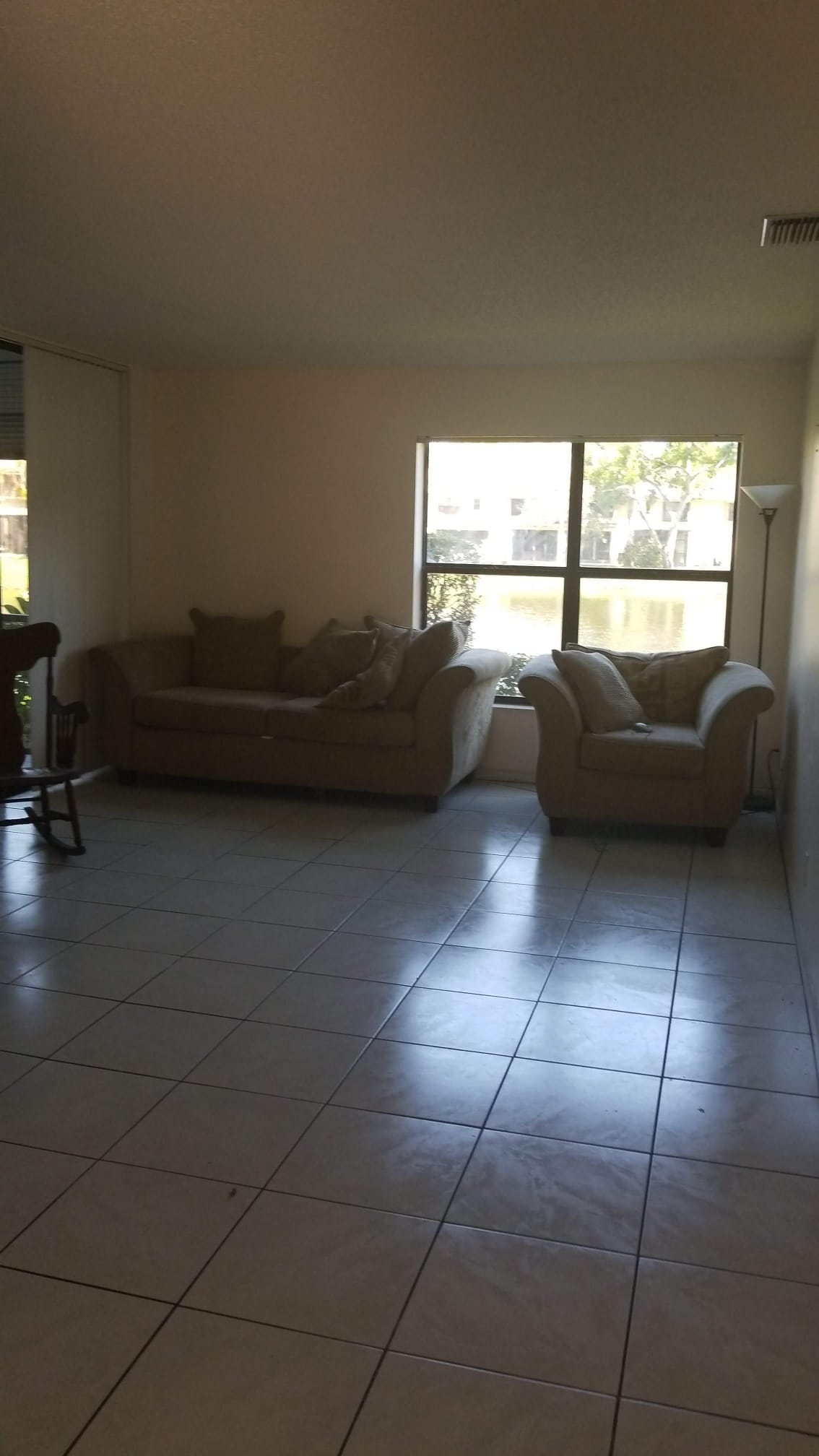
The wrong moves: rugs, apologies, and ignoring the letters
There are three ways this story usually goes, and all three fail.
The first is rugs everywhere. Cover the beautiful new floor you just paid for with area rugs and runners and hope the complaints slow down. It muffles a little. It fixes nothing underneath, and you spend your life living on top of a compromise.
The second is apologies. Keep saying sorry to the neighbor, keep promising to walk softer. You cannot tiptoe through your own home forever, and the neighbor knows the sound is not your feet — it is the floor.
The third is the expensive one: ignore the HOA and let the fines ride, assuming the problem will burn itself out. It does not. Noise complaints in a condo do not age out. The letters keep coming, the fines keep stacking, and the owner ends up forced into a fix anyway — later, angrier, and poorer, sometimes with the whole floor ordered out.
The floor was never the problem by itself. What was missing was underneath it. And you cannot fix what is underneath a floor from on top of it.
How we ran it
There was only one honest fix, and it was not a shortcut: we pulled the floor.
Up it came, so we could get to the layer that should have been working from the start. Then we installed premium acoustic underlayment — the real sound-absorbing layer, chosen for exactly this job — and put the floor back down over a system built to stop impact noise before it reaches the slab.
That sequence is the whole story of our flooring work: the part you see is only as good as the part you never see. A hard floor in a condo is a system — surface, acoustic layer, slab — and if one part is missing, the building will tell you. Loudly. Usually through your neighbor, and then through your HOA. You can see the standard we hold the finished side to on our projects page. The part underneath has to meet the same standard, or the finish does not matter.
No rugs-as-a-solution. No promises to walk softer. The missing layer went in, the floor went back, and the building went quiet.
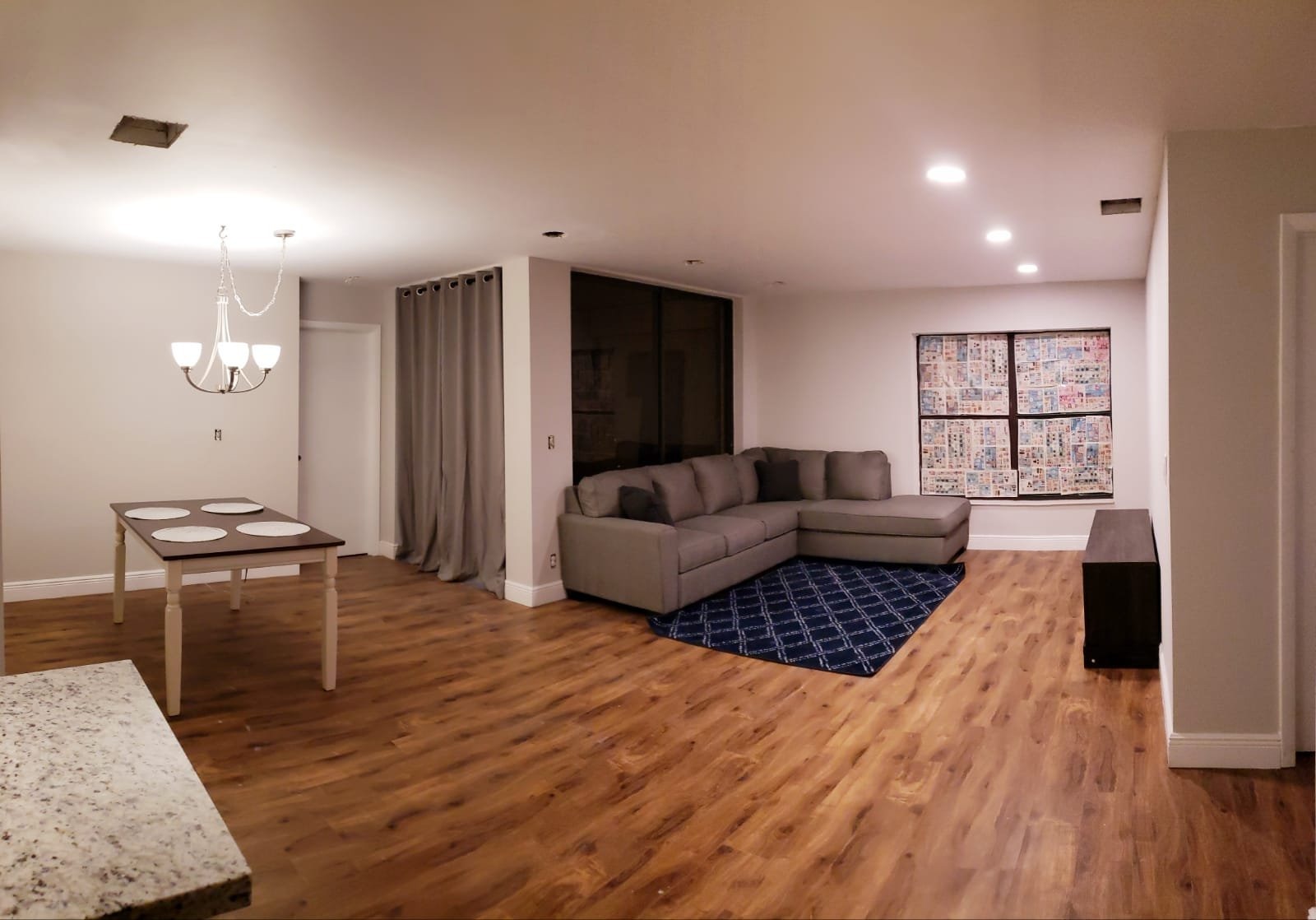
The result
Completely silenced. That is not me dressing it up — the issue that had been generating complaint after complaint simply stopped, because the sound was finally being absorbed where it starts instead of being broadcast into the unit below.
The owner got to keep the new hard floors they had wanted in the first place — and actually enjoy them, walk on them like a person who lives there, without wincing at every step. And the heavy HOA fines that had been hanging over a brand-new renovation lost the only thing that was feeding them: the noise.
A floor should add value to a home. Installed without its acoustic layer in a condo, it can do the opposite — it can cost you money every single month and make an enemy out of the neighbor below you. Installed right, nobody downstairs ever knows you are home.
Your turn
Putting hard floors into a condo — or already getting noise complaints and HOA letters over floors you just installed? Do not guess at the fix, and do not let the fines stack while you hope it settles. Call or text me at (561) 462-9293 for a free estimate, and we will tell you honestly what is happening under your floor and what it takes to silence it. Reach us through our contact page too.
Onel Construction LLC — Florida Certified General Contractor CGC1511492. Licensed and insured, serving Boca Raton and a 75-mile radius — West Palm Beach to Miami.
Insurance savings vary by carrier, policy, and home — figures shown are “up to” amounts, not guarantees. Grant eligibility, amounts, and funding availability are determined by the program and may change. Financing subject to lender approval; rates and payments vary by credit profile. All financing examples assume approved credit through our financing partner.