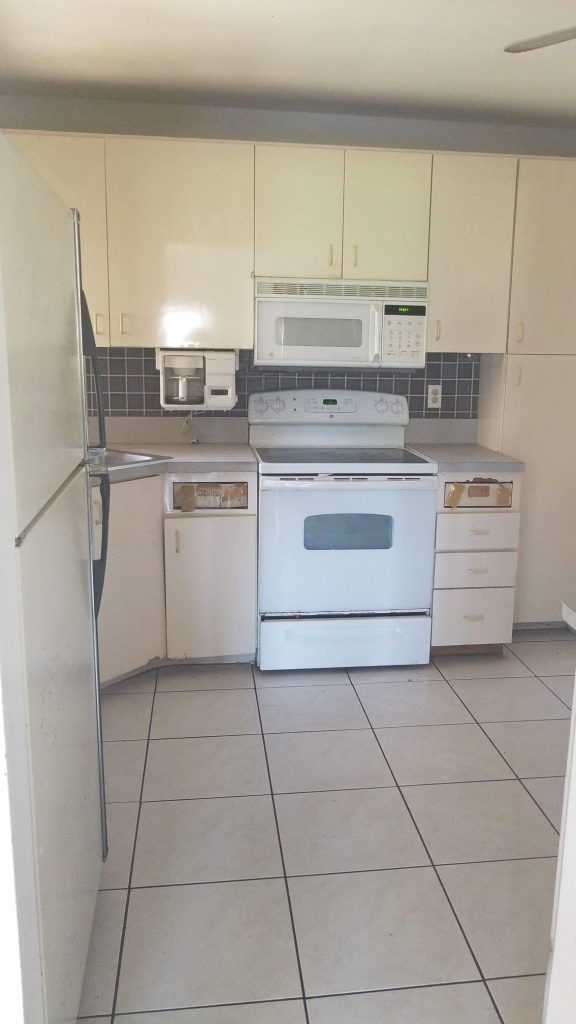
Remodeling a Condo in Boca Raton: HOA Approvals, Rules, and High-Rise Realities
Boca Raton is a condo town. Half the remodeling I do is in condos — kitchens, baths, flooring, windows. And condo remodeling is a different animal from house remodeling. Same skilled work, completely different rulebook.
If you’re thinking about remodeling your condo, here’s everything I wish somebody told my customers before they called me.
Rule one: the HOA goes first. Always.
Before I swing a hammer, before you buy a single tile — your HOA’s alteration approval comes first. Almost every condo association in Boca requires a formal application for anything beyond paint: kitchens, bathrooms, flooring, windows, plumbing, electrical. All of it.
What they typically want:
- Alteration application — their form, your project description, your contractor’s info
- My license and insurance — certificate of insurance naming the association, license docs. I do this constantly; it’s routine for me
- Scope of work and plans — what we’re doing, sometimes drawings for bigger jobs
- Deposit — some associations hold a refundable construction deposit against damage to common areas
Here’s what I tell every condo customer: call your property manager before you call me. Ask for the alteration package and the rules. Then call me, and we’ll build the plan around what your building actually allows. Doing it in the other order wastes everybody’s time.
Timing is real, too. Some HOAs approve in a week. Some boards meet once a month. When a board only meets once a month, a good project can sit six weeks waiting on one meeting. Start the paperwork early.
The rules that surprise people
Work hours. Most buildings restrict construction noise to something like 8 or 9 AM to 4 or 5 PM, weekdays only. No weekends in a lot of buildings. No holidays. That doesn’t make the work slower — it makes the calendar longer. A two-week kitchen in a house can be three weeks in a condo, same crew, same work.
Flooring rules. This is the big one people don’t expect. Many HOAs — especially in buildings with units below you — require soundproofing underlayment for hard flooring, or restrict tile and wood entirely above the first floor. Some want an acoustic test. Your downstairs neighbor’s peace and quiet is in your alteration agreement. I check the flooring rules before I quote flooring. Always.
Plumbing stacks are shared. Your kitchen drain is your downstairs neighbor’s ceiling. When we touch plumbing in a condo, the building often has to shut water to the whole stack — your line, up and down. That gets scheduled with management, noticed to residents, and done in a window. Routine for me. But it means plumbing work in a condo is choreography, not just wrench work.
Windows are often not yours. In many Boca condos, the windows are limited common elements — you use them, the association owns them. That means you may not be able to just replace them; the building may have a window project, a required spec, or an approval process with teeth. If you want impact windows in a condo, the HOA conversation happens before anything else. (And when the building does allow it, the insurance credits still apply to you.)
Elevators run the schedule. Materials come up in the service elevator, on the building’s schedule, with the walls padded. Debris goes down the same way. Deliveries get booked. In a high-rise, I plan jobs around elevator access the way I plan around weather on a roof. Anybody who quotes a 15th-floor kitchen like a ranch house hasn’t done a 15th-floor kitchen.
What a condo remodel really costs
I’m straight with you: condo jobs often cost a bit more than the equivalent house job. Not because the work is different — a kitchen is a kitchen — but because of everything around it: the logistics, the restricted hours stretching the schedule, the elevator bookings, the HOA paperwork, the extra protection of common areas.
I don’t pad it and I don’t hide it. When I estimate your condo job, I show you where the logistics live in the number. Most customers get it immediately — they’ve lived in the building, they know how it works.
And the financing math is the same as houses: kitchens and baths typically in the $200s to $300s a month, smaller jobs from around $120 a month, rates as low as 4.49% APR on approved credit. You live there every day. The payment is background noise; the kitchen is forever.
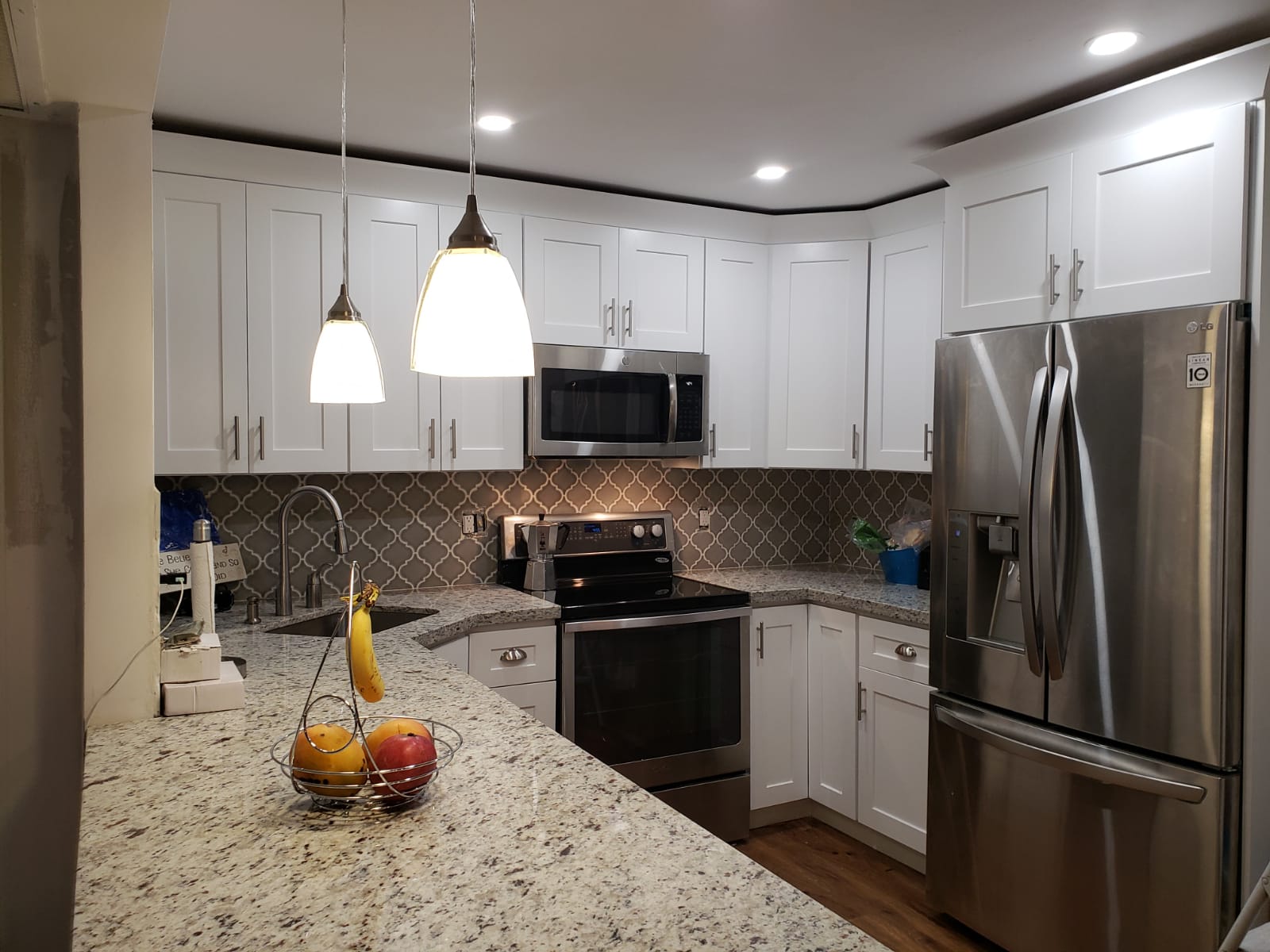
Picking a condo contractor (this matters more here)
In a house, a bad contractor is your problem. In a condo, a bad contractor is everybody’s problem — water in the unit below, elevator damage, fines from the association. So the vetting matters more:
They should ask about your HOA in the first conversation. If a contractor quotes your condo kitchen without asking about alteration approval, work hours, or elevator access, they haven’t done this before. I ask. Every time.
They should carry real insurance and hand over the COI without drama. Your association will demand it. If a contractor hems and haws about certificates of insurance, that’s your answer.
They should be licensed. Florida CGC license — mine’s CGC1511492, verifiable with the state. In a condo, unlicensed work isn’t just risky, it’s a liability bomb if something goes wrong and the association comes looking.
They should have done high-rises before. Ask. “How many condo jobs have you done in buildings like mine?” The logistics learning curve is not something you want happening on your dime.
The alteration agreement: read it
You’ll probably sign one. It’ll cover work hours, noise, debris, elevator use, protection of common areas, and who’s liable for what. Read it. The fines for violations are real — and they land on you, the owner, not me. I follow building rules like religion because I’ve seen what happens when guys don’t. But it’s your signature on the agreement, so know what it says.
What I handle vs. what you handle
To keep it clean:
You handle: getting the alteration package from your property manager, submitting the application, any HOA fees or deposits, and being my point of contact with the building.
I handle: license and insurance docs, scope of work and plans for the application, permits with the city, scheduling around elevator and shutoff windows, protecting common areas, and keeping the job inside your building’s rules.
We’ve done this dance a lot. It’s smooth when everybody knows their steps.
What to do next
Step one: call your property manager and get the alteration package. Step two: call me.
Free in-home estimate. I’ll walk the space, we’ll talk about what your building allows, and I’ll give you a real number in writing — logistics included, no surprises.
And if you’ve already got a written quote: I’ll beat it or you get $50. Beat-the-Quote through October 1st.
Call or text (561) 462-9293. I’m Joe. Condos are half my life — let’s do yours right.
Related: Kitchen Remodeling in Boca Raton · Bathroom Remodeling in Boca Raton · Impact Windows in Boca Raton